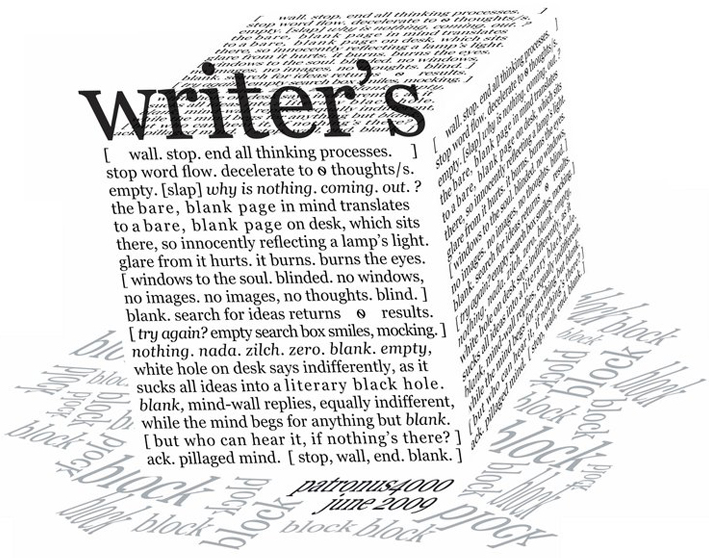
The week before Spring Break, I was
in tears. So was one of my fourth-graders.
“Just write it! It doesn’t have to
be perfect – it just has to be there,” I said, trying again – unsuccessfully –
to break through his block.
“I CAN’T,” he said back. “I CAN’T
put that sentence in my story. It’s BORING.”
“But it doesn’t matter,” I replied.
“It doesn’t matter if it’s boring, it’d be done – and you can move on.”
“I CAN’T,” he insisted, tears
leaking down his cheeks.
Frustrated, tired, heartbroken for
this kid, I let it go. At least I could tell his teacher he tried, that he wanted to write – he just couldn’t get out of his own head long
enough to get it on the paper.
I went home that day feeling like a
failure. I had tried every trick I knew – thinking maps, foldables, graphic
organizers – and they hadn’t worked. Oh,
they’d worked a bit – he had a paper, but it wasn’t finished. And it wouldn’t
be. And the state test in writing was in a week.
Over dinner, I asked my husband – a
high-school English teacher – for advice.
First, he called me stupid – “Not
you,” he insisted. “Your approach. Don’t you think every other teacher has
already told him that?”
“Ok, dear,” I said, my teeth a little gritted. “What would you do?”
He talked about sculpting, and
about appreciating writing – even
state-test-practice-so-boring-I-want-to-poke-my-eyes-out-with-a-spork writing –
as art.
 “You have to appreciate that to
him, he’s making art. So you talk about art. A sculptor doesn’t make a statue
right away – he has to work with the clay. Pinch it, scrape it, carve it, until
it’s finally a beautiful sculpture. Writing is the same – he has to understand
that he will never get the story out of his head perfectly. He has to get clay
on the page, take the words out, then work with them until it’s right. But he
can’t work with them until they’re on the paper – he has to put clay on the
page.”
“You have to appreciate that to
him, he’s making art. So you talk about art. A sculptor doesn’t make a statue
right away – he has to work with the clay. Pinch it, scrape it, carve it, until
it’s finally a beautiful sculpture. Writing is the same – he has to understand
that he will never get the story out of his head perfectly. He has to get clay
on the page, take the words out, then work with them until it’s right. But he
can’t work with them until they’re on the paper – he has to put clay on the
page.”
I nodded, but was skeptical. This
made sense to me, but would the analogy click with a 9-year-old?
I figured I’d try, so last week –
three days before the big test – I talked to my student. I talked about
sculpting, and working with clay.
It was classic.
His eyes widened, his eyebrows went
up. “Oooooooooh,” he said. “You’re talking about my writing.”
“What connection did you just
make?” I asked (it’s best to check with GT kids – they can make some
extremely…interesting…connections).
“You mean, I have to plan, then
write my rough draft, then my final draft. And I can keep working on it – that
it doesn’t have to be perfect right away.”
I nodded. “You’re putting clay on
the page,” I said.
“Yeah,” he agreed. “Clay on the
page.”
Then a day later he wrote – a full page – on
his own. In one sitting.
“This,” he said, after proudly marching
down to my room to share, “is just my ROUGH draft.”

